
AC Voltage Stabilizer: Essential Insights and Technical Analysis
What Does an AC Voltage Stabilizer Do?
An AC voltage stabilizer, also known as an Automatic Voltage Regulator (AVR), is designed to maintain a stable output voltage despite fluctuations in the input power supply. This device compensates for variations such as voltage sags, surges, or brownouts, ensuring connected electrical equipment operates within safe voltage ranges.
Core Functions
Voltage Regulation: By automatically adjusting the input voltage (within a range of +20% to -40%), the stabilizer either boosts (steps up) low voltage or reduces (steps down) high voltage to a predefined output range.
Protection: It shields devices from electrical noise, transients, and spikes through integrated filtering mechanisms.
Compensation Mechanism: Using transformers and servo motors, the stabilizer dynamically adjusts the output by altering the polarity and magnitude of the compensating voltage.
Key Components
- Compensation Transformer: Adjusts voltage levels through electromagnetic induction.
- Servo Motor: Drives carbon brushes to slide across transformer windings, enabling precise voltage adjustments.
- Control Circuitry: Monitors input/output voltage and triggers corrective actions via relays or thyristors.

Do Voltage Stabilizers Work?
The effectiveness of voltage stabilizers lies in their ability to optimize energy efficiency and protect equipment. While they cannot generate additional energy, they ensure electrical devices operate at peak efficiency under optimal voltage conditions.
Real-World Impact
● Energy Efficiency: Devices like refrigerators and pumps consume more energy when operating at suboptimal voltages. For instance, a refrigerator compressor working at 20% below rated voltage may run twice as long, doubling energy use. Stabilizers mitigate this by maintaining consistent voltage.
● Equipment Longevity: Voltage fluctuations accelerate wear and tear. Stabilizers reduce mechanical stress on motors and prevent overheating in components like pump windings.
● Waveform Integrity: Advanced stabilizers preserve the sinusoidal waveform of AC power, avoiding distortions that could damage sensitive electronics.
Limitations
● Input Range Dependency: Stabilizers can only regulate voltage within their specified input window (e.g., 90–260V for single-phase models). Extreme fluctuations beyond this range may require additional solutions.
● Energy Loss: While modern stabilizers achieve efficiencies up to 98%, some energy loss occurs during transformation and regulation.
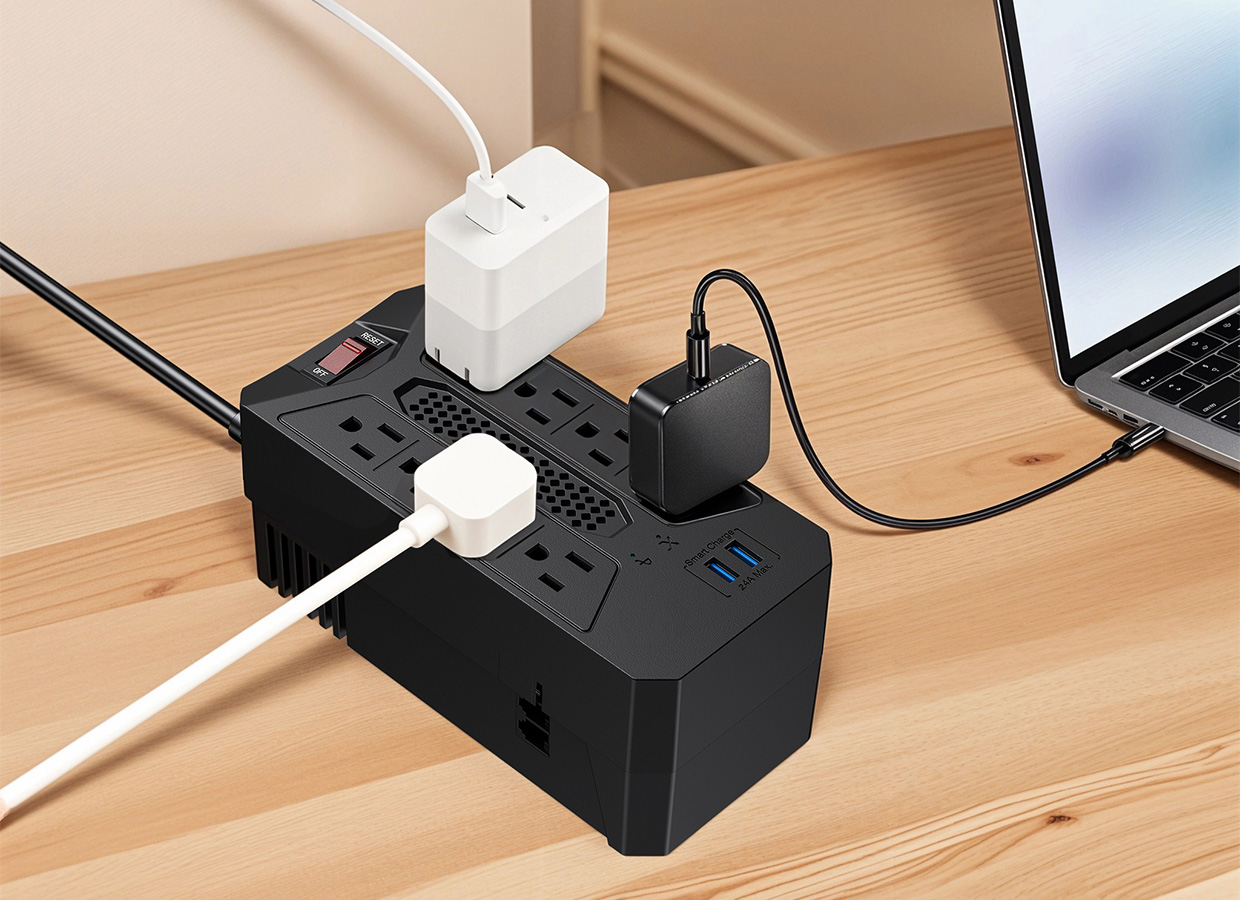
AC Voltage Stabilizers for AC 120V and 220V Systems
Single-phase stabilizers are tailored for specific voltage requirements, such as 120V or 220V systems. These variants share core principles but differ in design and application.
120V Stabilizers
● Input Range: Typically 90–150V, compensating for low-voltage scenarios common in regions with unstable grids.
● Output Precision: Maintains 120V ±3%, suitable for lighting systems, small appliances, and electronics.
● Design Features: Compact cabinets, LCDs for real-time monitoring, and overload protection circuits.
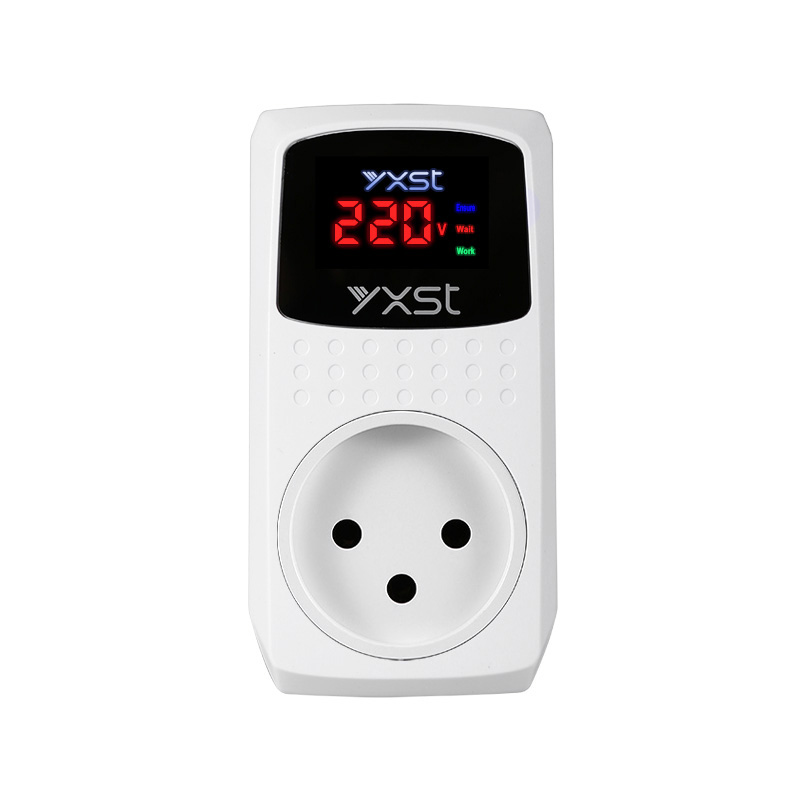
220V Stabilizers
● Input Flexibility: Wider input ranges (e.g., 150–250V) accommodate higher voltage demands.
● High-Capacity Models: Available in 5–30kVA configurations for larger appliances like air conditioners or water heaters.
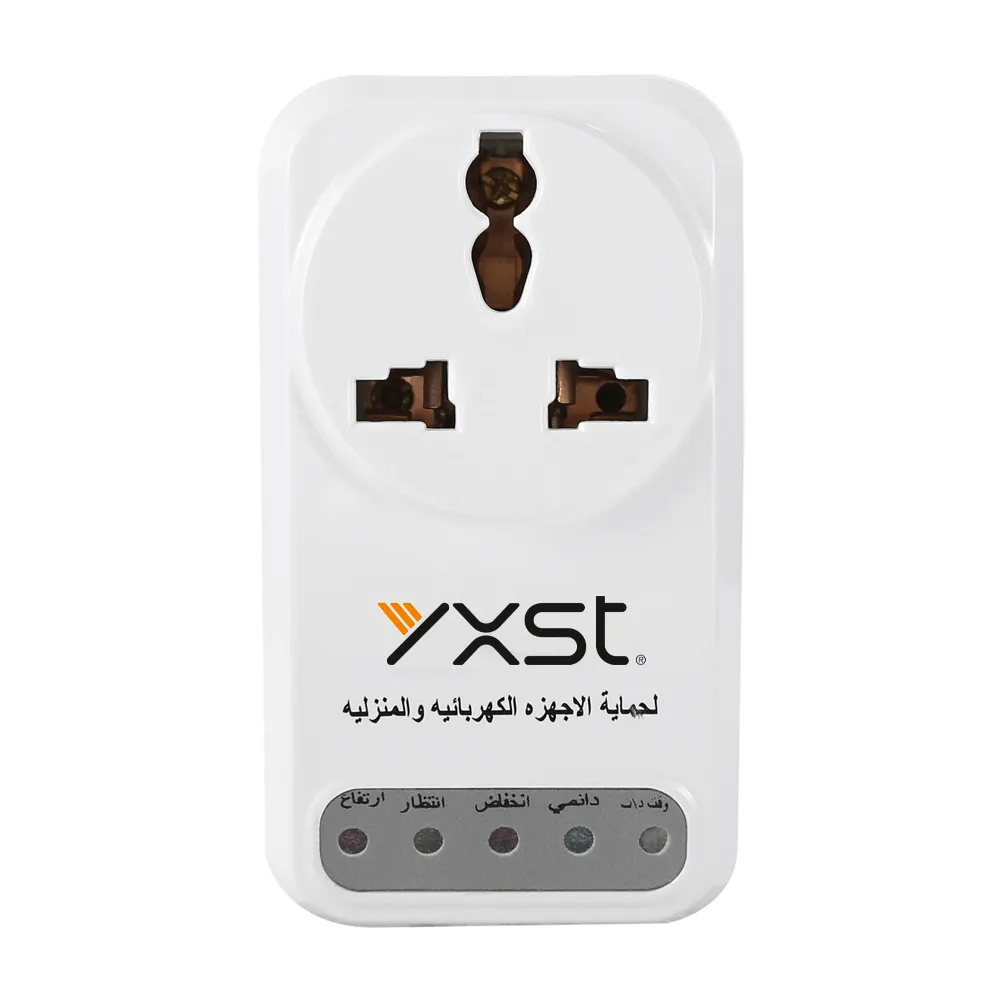
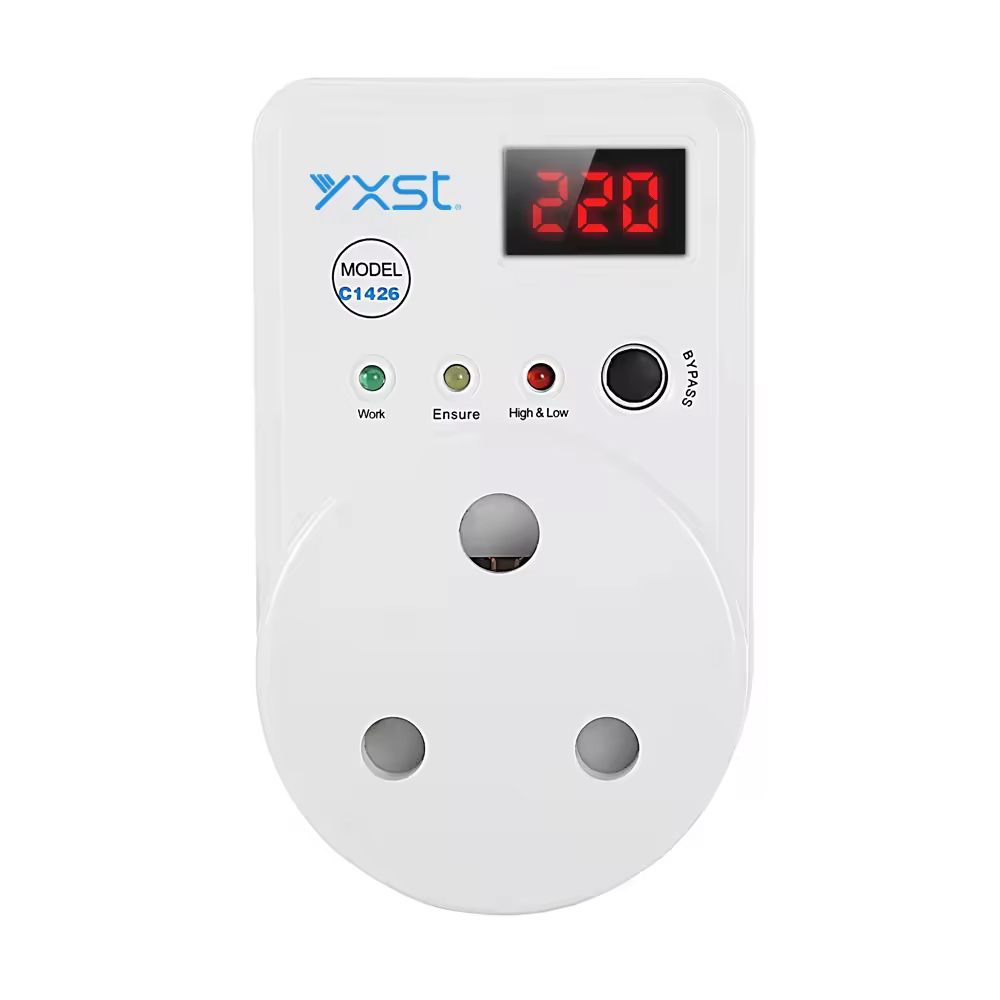
● Enhanced Protection: Includes phase failure detection, short-circuit protection, and thermal cutoffs.
Working Principle of AC Voltage Stabilizers
The operation involves three stages: detection, adjustment, and output stabilization.
Step-by-Step Process
● Voltage Sampling: Sensors continuously measure the input voltage.
● Error Detection: A control circuit compares the sampled voltage to a reference value (e.g., 220V).
● Motor-Driven Adjustment: If a discrepancy exists, a servo motor moves carbon brushes along a transformer’s winding to increase or decrease voltage.
● Feedback Loop: The output voltage is re-sampled to ensure it falls within the acceptable tolerance (±2%).
Circuit Design Insights
● Relay-Based Systems: Early models used relays to switch transformer taps, causing brief power interruptions. Modern designs employ servo motors for seamless adjustments.
● Thyristor Control: High-end stabilizers use thyristors (solid-state switches) for faster response times (<1 second) and reduced mechanical wear.
Conclusion
AC voltage stabilizers are indispensable for safeguarding electrical systems against voltage irregularities. By combining electromagnetic principles with advanced control circuitry, they ensure stable power delivery, enhance energy efficiency, and prolong equipment lifespan. Whether for 120V or 220V applications, these devices adapt to diverse needs, offering precision, reliability, and robust protection.
 English
  Español
  Deutsch
  Français
  Italiano
  Português