
What changes can be brought about by using AC power voltage regulator in the home
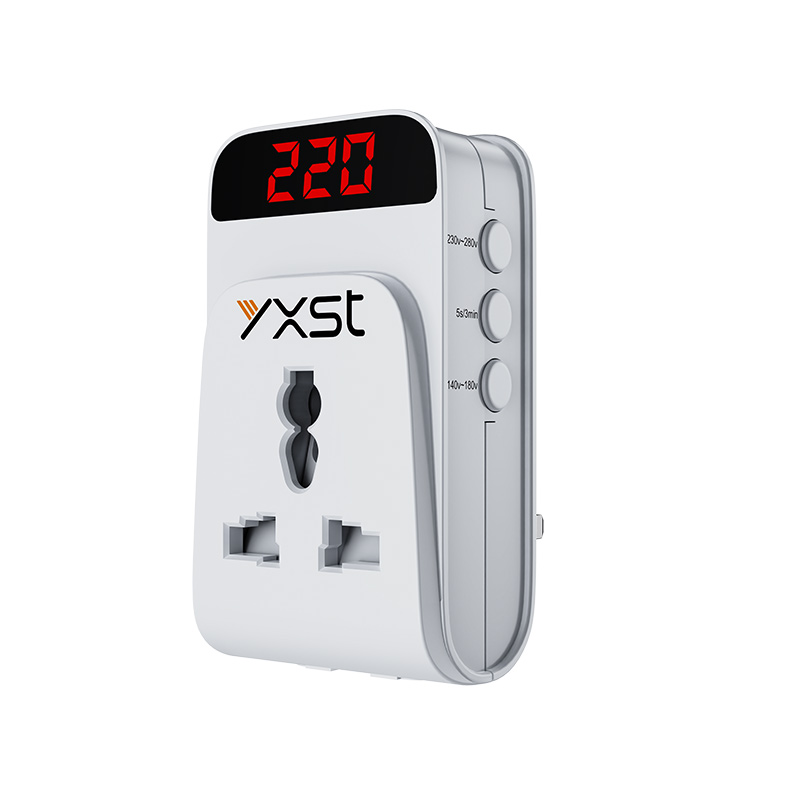
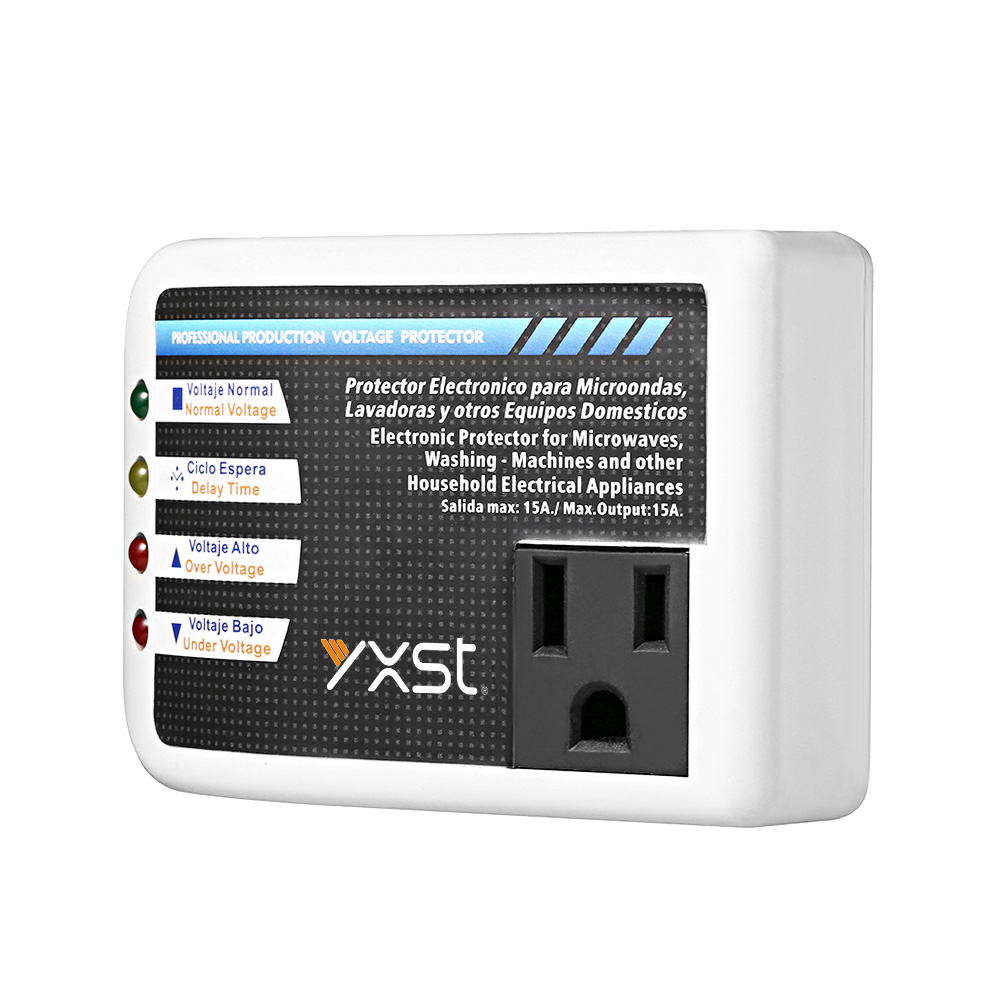
‘The use of AC power voltage regulators in households can bring significant changes in many aspects, mainly reflected in electrical protection, power safety, equipment performance optimization, and long-term economic benefits. The following is a specific analysis:
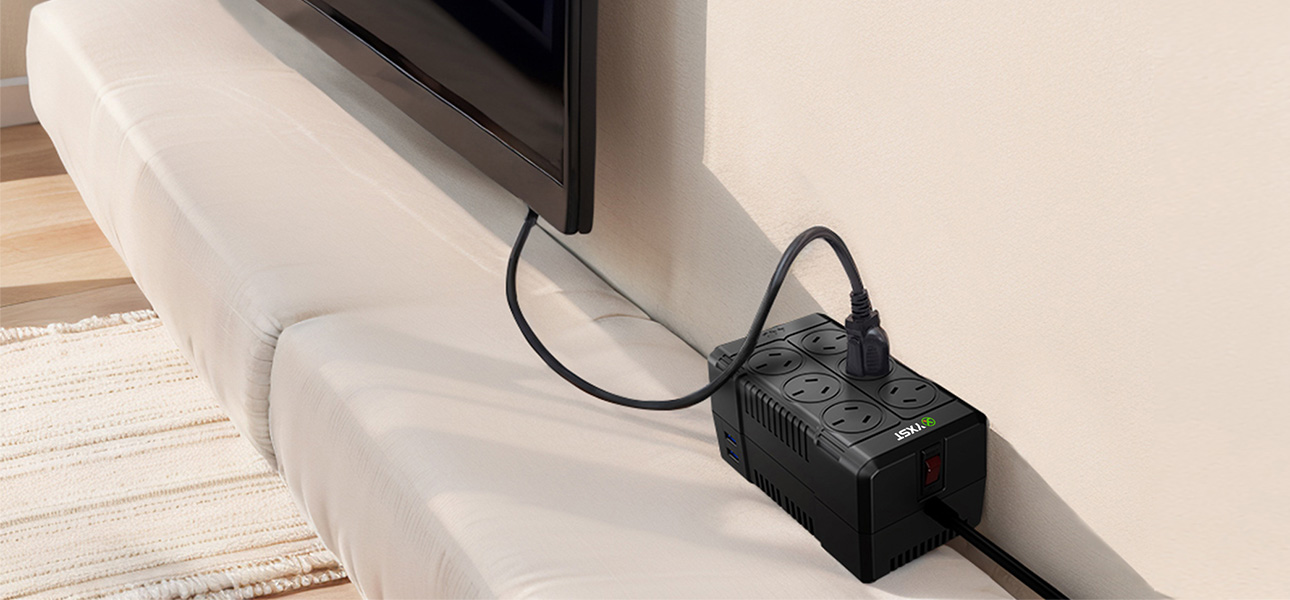
Stabilize voltage and protect electrical equipment.
● Extend the life of electrical appliances: Voltage fluctuations (especially low or high voltage) will accelerate the aging of internal components of electrical appliances. For example, inductive loads such as air conditioners and refrigerators are prone to start-up difficulties or frequent start-stops when the voltage is unstable, resulting in damage to core components such as compressors. The voltage stabilizer can stabilize the fluctuating voltage within a safe range of 200V-230V to reduce equipment loss.
● Prevent instantaneous voltage shocks: When the power supply is suddenly restored after a power outage, the voltage stabilizer can delay the output of power for 5-8 minutes to avoid instantaneous high voltage damage to sensitive equipment (such as computers, and smart TVs).
Improve power safety
● Overload and short-circuit protection: The voltage stabilizer has an automatic cut-off function. When the input voltage exceeds 255V or is lower than 160V, the power supply will be cut off to prevent overvoltage or undervoltage from causing fire or equipment failure.
● Suppress surge current: When inductive loads (such as air conditioners and washing machines) are started, surges of 3-5 times the rated current will be generated. The voltage stabilizer effectively alleviates the impact through power reserve (it is recommended to select models with more than 3 times the rated power) to protect the household circuit.

Optimize equipment performance
● Improve the operating efficiency of electrical appliances: When the voltage is too low, the cooling/heating speed of the air conditioner decreases, and the lighting equipment flickers; after voltage stabilization, the equipment can operate efficiently at the rated voltage to avoid performance degradation.
● Ensure the stability of precision equipment: Electronic equipment that is sensitive to voltage (such as computers and medical equipment) requires high-precision voltage stabilization (within ±2%) to avoid data loss or misoperation.
Adapt to special power consumption environments.
● Solve the problem of regional voltage instability: In old communities, rural areas, or peak power consumption periods (such as summer), the voltage fluctuates frequently, and the voltage stabilizer can significantly improve the power supply quality.
● Compatible with different electrical appliance requirements: Some imported electrical appliances (such as 110V equipment made in Japan) can be adapted to the domestic 220V voltage through a voltage stabilizer to expand the scope of use.
Long-term economic benefits
● Reduce maintenance costs: Avoid frequent electrical failures caused by voltage problems, and reduce maintenance or replacement costs.
● Energy-saving potential: Some high-efficiency voltage stabilizers (such as a contactless-type) have no-load losses of only a few watts, which is better than inferior products (up to 100W or more), and long-term use can save electricity bills.
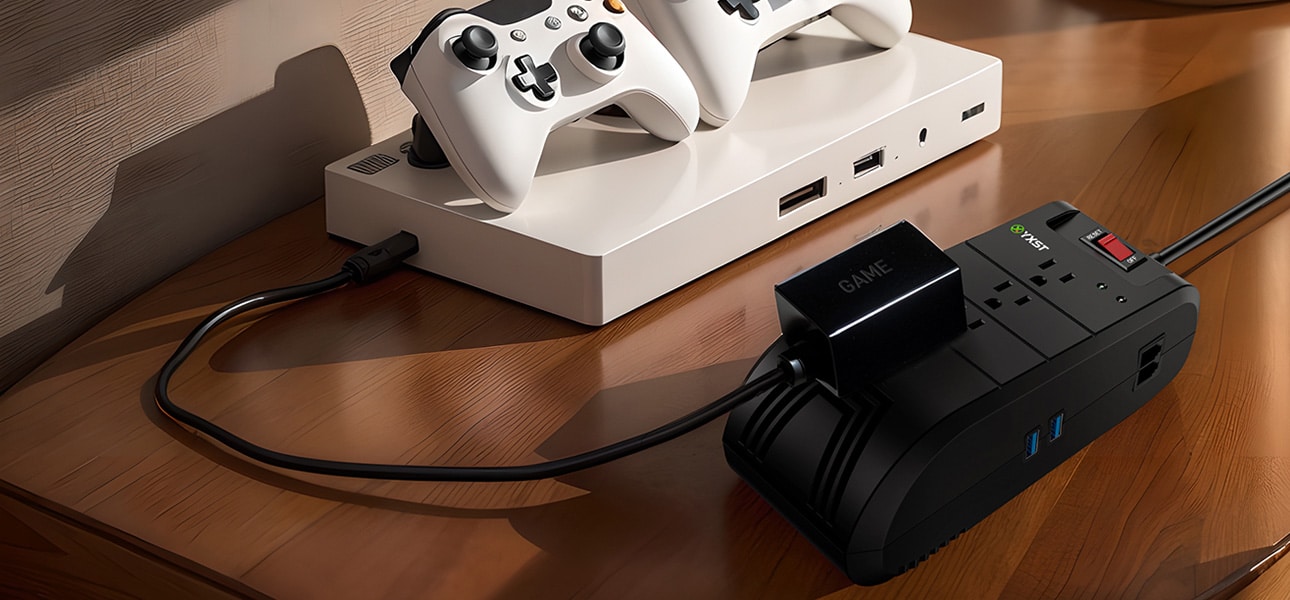
Notes
● Non-essential scenarios: If the household voltage is stable for a long time (such as a newly built community in the city) and the electrical appliances are operating normally, no additional installation is required.
● Correct selection and installation: It is necessary to select according to the total power (reserving 3 times the margin), voltage regulation accuracy (within ±3%), brand (such as Sollatek, Yixing, etc.), and ensure good ventilation and heat dissipation.
In summary, the use of AC power voltage regulators in households is of significant value in areas with unstable voltage or scenarios with high requirements for electrical protection, but it needs to be scientifically selected based on actual needs.
 English
  Español
  Deutsch
  Français
  Italiano
  Português