Voltage protector manufacturers talk international standard power plug
Voltage protector manufacturers talk international standard power plug
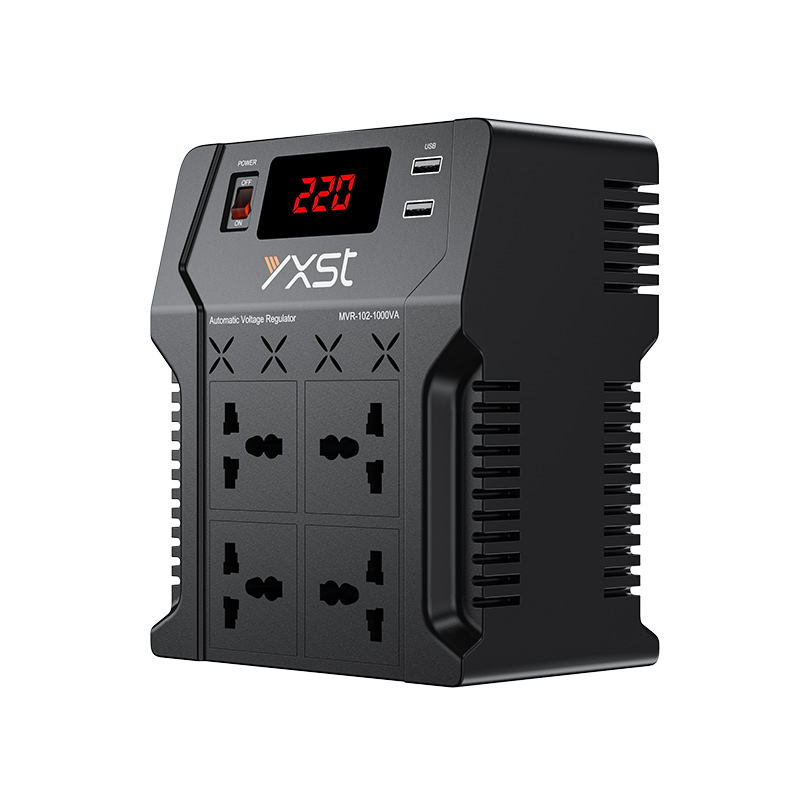
Automatic voltage protector manufacturer popular science: How many of these international standard power plugs do you know?The beautiful scenery and diverse cultures of foreign countries always make people yearn for it. However, the various plug specifications and standards around the world are overwhelming. Not to mention individual regions, even countries have their own plug specifications.
Take Europe as an example. The “European standard” plugs we often hear about are not unified. It has different specifications of plugs such as type C, type E, type F and type G, and they are suitable for different countries and regions. It can be seen that there are many standards in the world. Today, Automatic voltage protector manufacturer focuses on this topic and talks about interesting knowledge about international standard plugs.
USA Plug
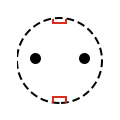
Germany Plug
China Australia Plug
U.K. Plug
India Plug
France Poland Plug
Europe Plug
Israel Plug
Denmark Plug
Italy Plug
Japan Plug
Switzerland Plug
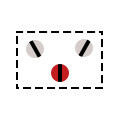
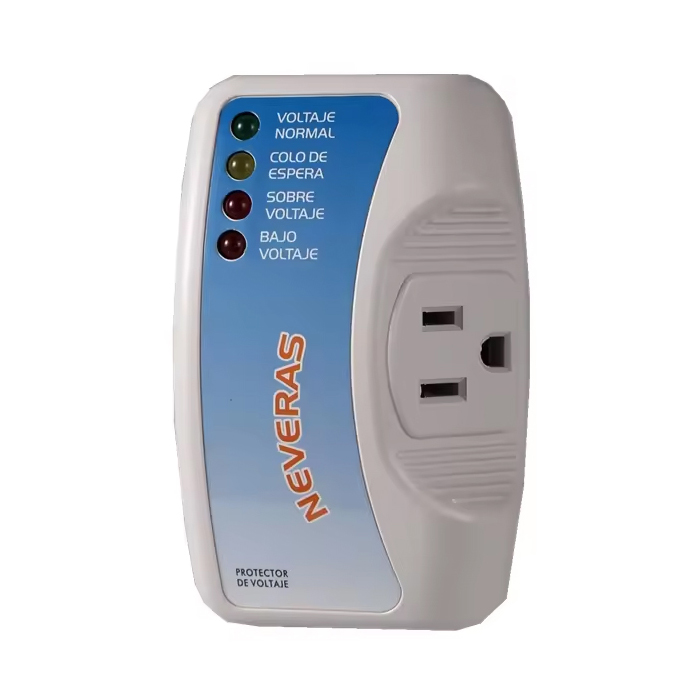
US Standard Plug
Applicable areas: mostly in the Americas
Main applicable countries and regions: the United States, Taiwan, Canada, Japan, Thailand, the Philippines, Mexico, Brazil
Other applicable countries: Laos, Panama, Costa Rica, Colombia, Ecuador, Venezuela, Nicaragua, El Salvador, Honduras
Features: two flat feet, two flat feet + round grounding feet
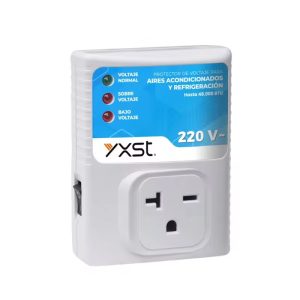
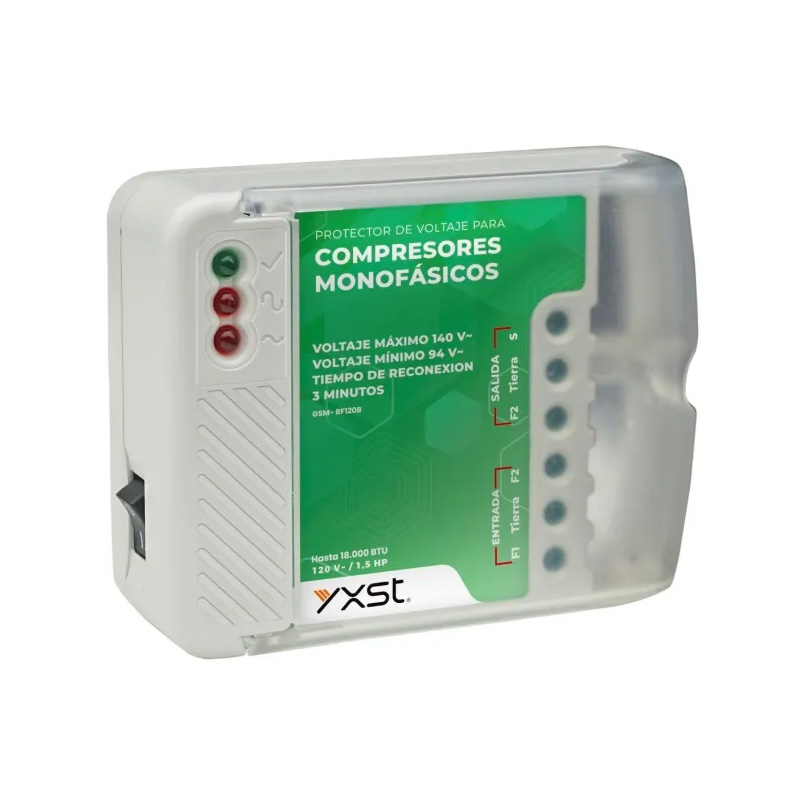
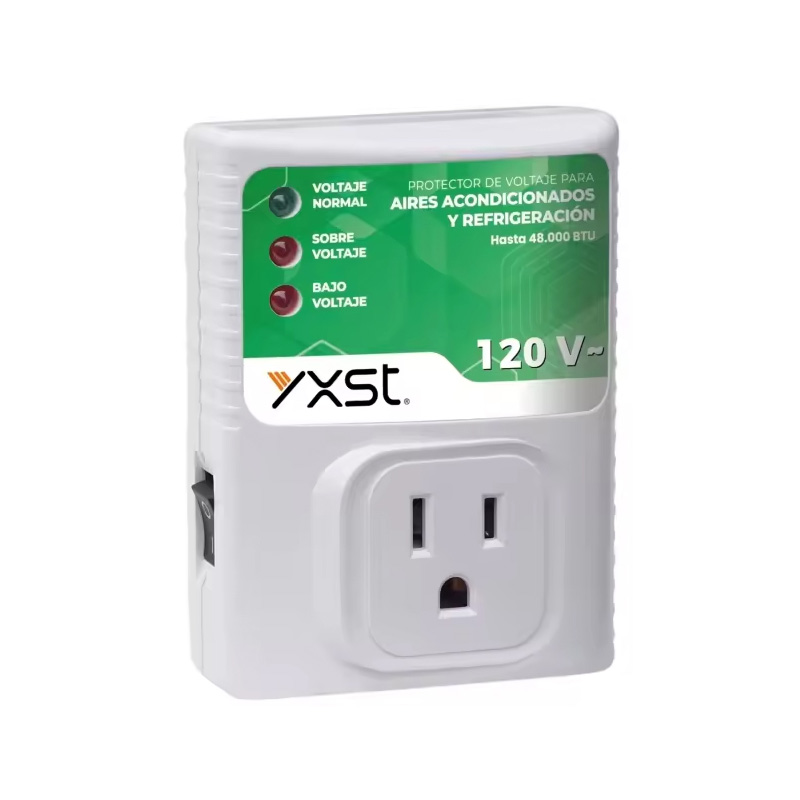
Latin American Market Voltage Protector Plug Recommend
Main applicable countries and regions: Germany, France, South Korea, Greece, Spain, Portugal, the Netherlands, and Macau, China
Other applicable countries: Austria, the Czech Republic, Poland, Hungary, Belgium, Luxembourg, Norway, Finland, Sweden, Latvia, Slovakia, Bulgaria, Indonesia, Mongolia, Belarus, Lebanon, Turkey
Features: two-pin round
Australia standard plug
Main applicable countries: Australia, New Zealand, Argentina
Features: eight-shaped
Danish standard plug
Mainly applicable countries: Denmark
Features: two-pin round type, Danish standard three-pin type
Italian standard plug
Mainly applicable countries: Italy, Chile, Syria
Features: two-pin round type, Italian standard three-pin round type
Swiss standard plug
Mainly applicable countries: Switzerland
Features: two-pin round type, Swiss standard three-pin round type
Israeli standard plug
Mainly applicable countries: Israel
Features: two-pin round type, Israeli three-pin flat type
South Africa standard plug
Main applicable countries: South Africa
Features: three-pin round Type
Mixed type
Russia: Applicable to EU standards and South African standards India: Applicable to British standards and South African standards Vietnam: Applicable to EU standards and US standards
Precautions
Automatic voltage protector manufacturer reminds that countries that pursue efficiency adopt high voltage and low frequency. For example, most European countries and my country use 220-240 volts and 50 Hz, while countries such as the United States and Canada focus more on safety and use 110 volts and 60 Hz.
Summary
At present, the power systems of countries worldwide usually adopt different voltage and frequency standards. According to the voltage, there are two types: low voltage of 100~130V and high voltage of 220~240V.
The plugs are designed according to the electrical standards and safety requirements of their respective regions and are suitable for electrical equipment of different voltage levels.
As the connection medium between electrical equipment and power supply, the design of plugs must strictly follow the electrical standards, safety requirements and voltage levels of different countries and regions to ensure electrical safety and equipment compatibility.
Mainstream voltage classification:
100V–127V: North America (United States, Canada), Japan, Taiwan, etc. The voltage in Japan is 100V, and in the United States it is 120V, with a ±10% fluctuation allowed.
220V–240V: China (220V), EU (230V), Australia (230V), UK (230V), etc. The EU standard voltage is 230V (originally 220V), and the differences are unified through coordination.
Special cases: Brazil (127V/220V dual system), Philippines (220V, but 110V in some areas).
Don’t hesitate to reach out for any questions, quotes, or specialized advice. Our industry veterans are available to guide you through your specific needs.

















 English
  Español
  Deutsch
  Français
  Italiano
  Português